From AI Adoption to Enterprise Reinvention: What Leading Firms Are Teaching Marketers
Learn how GA4 and predictive analytics help organizations improve marketing performance, lead quality, pricing strategy, and revenue growth through smarter data-driven decisions.
5/6/20264 min read
Marketing is entering a new phase of maturity. AI is no longer the differentiator on its own; execution quality, organizational readiness, and the ability to connect technology investments to measurable business outcomes are becoming the real sources of advantage. Recent research shows a consistent message: winning organizations are not simply automating campaigns. They are redesigning how marketing creates value across growth, operations, and enterprise transformation.
AI Has Moved from Experiment to Operating Model
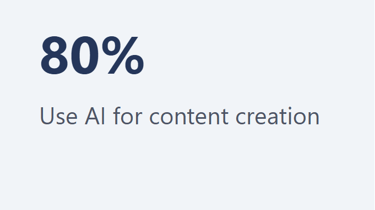
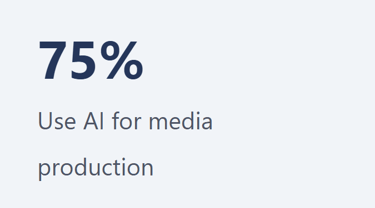
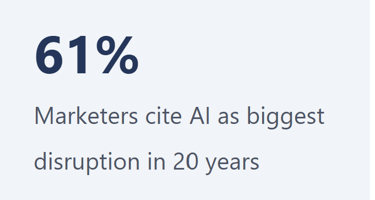
Recent industry research shows that 61% of marketers believe marketing is experiencing its biggest disruption in 20 years because of AI, while 80% already use AI for content creation and 75% for media production. In other words, AI adoption is quickly becoming baseline. The competitive gap now lies in how well organizations use AI to improve speed, insight, and personalization without falling into low-quality, over-automated output.
Leading research notes that disruption affecting businesses has risen 183% over four years, and 83% of organizations have accelerated transformation. More importantly, it's clear that generative AI can materially affect every part of the enterprise, but only when companies move beyond isolated use cases and build end-to-end capabilities across processes, people, and technology.
Brand Distinctiveness Is Becoming More Valuable, Not Less
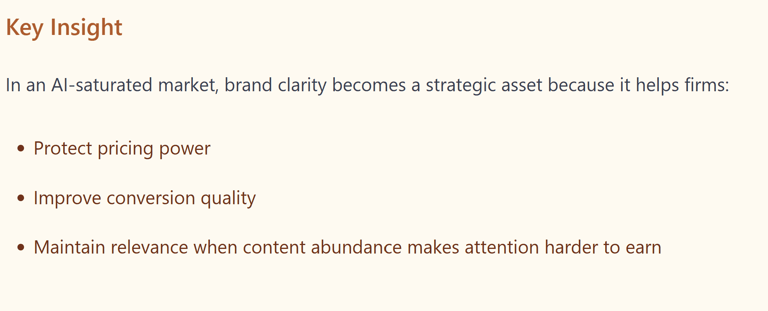
As AI lowers the cost of content production, it also increases the volume of undifferentiated content in the market. Industry research argues that brands without a clear point of view risk getting lost, and that growth is increasingly driven by distinctiveness, trust, and relevance rather than sheer output. The broader message is that human-led marketing still wins trust and revenue, even in highly automated environments.
This theme is critical in sectors with long consideration cycles, where brand and mid-funnel investment are not soft metrics; they are necessary conditions for sustainable ROI. Performance pressure often pushes teams toward lower-funnel tactics, but search and conversion channels, while important, can undermine brand preference earlier in the journey when over-weighted.
ROI Discipline Is Shifting from Attribution to Incrementality
Research shows why many marketing teams still struggle to prove value. Last-click attribution does not adequately capture true incremental ROI, especially in categories where customers engage over extended periods, pricing changes dynamically, and multiple channels influence demand. The firms pulling ahead are using custom analytics, controlled testing, and closer partnerships with finance and revenue management to separate marketing impact from other business factors.
Organizations working closely with finance report 20% higher confidence in measuring incrementality and show ROI gains of 20% or more.
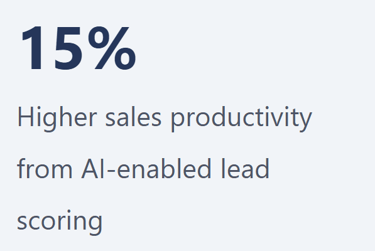
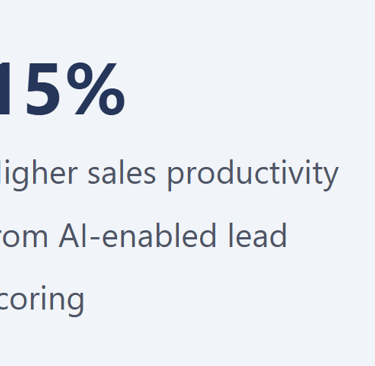
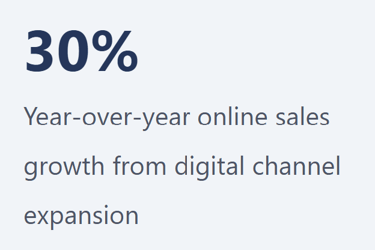
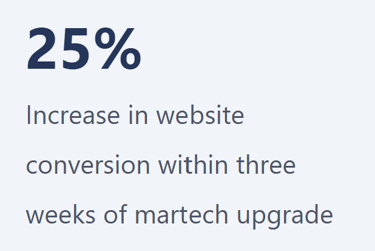
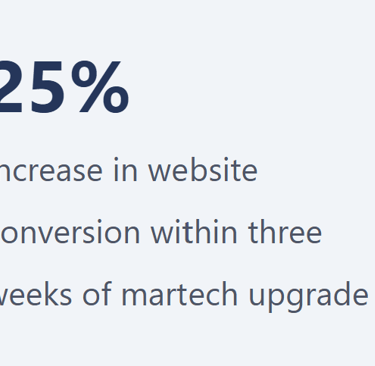
Analysis from industry leaders identifies predictive analytics, automation, and data monetization as practical value-creation levers, with real-world results including:
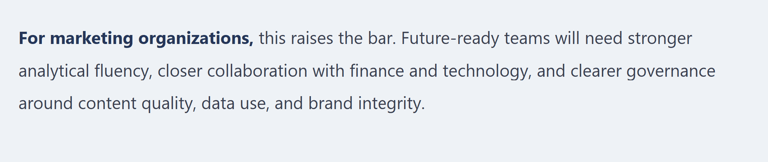
Taken together, the message is clear: marketing leaders must shift the conversation from activity metrics to enterprise value metrics. That means tighter links between marketing, finance, sales, and operational decision-making.
Capability Building Is Now the Bottleneck
Technology is advancing faster than organizational readiness. Current research shows that only 22% of organizations feel highly prepared to address talent issues related to GenAI adoption, while only about a quarter feel highly prepared on governance and risk. Successful reinvention requires:
Reskilling people
Redesigning processes
Building a digital core with data and generative AI at the center
This is where many organizations will fall behind. The challenge is no longer access to AI tools. It is leadership sponsorship, cross-functional alignment, risk management, and the ability to scale use cases into repeatable capabilities. Cybersecurity and risk management are essential to protecting value, as AI can strengthen defenses while also creating new vulnerabilities.
Strategic Takeaways for Leaders
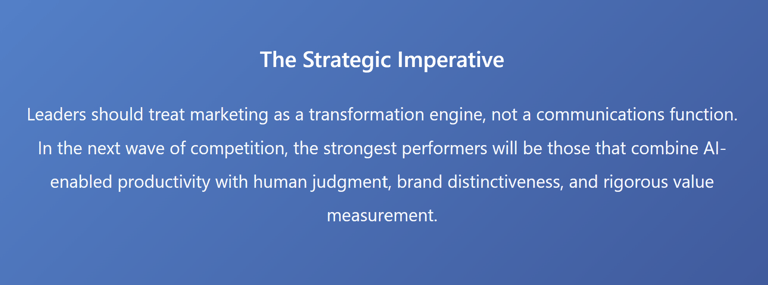
The common thread is that AI is most valuable when it supports reinvention, not just efficiency. Research consistently shows that marketers are rapidly operationalizing AI, but also that trust, authenticity, and brand perspective matter more as content scales. The real winners will be organizations that connect AI to enterprise-wide reinvention. Success requires measurable value creation, better measurement, fuller-funnel thinking, and stronger finance alignment.
Accenture. (n.d.). Total enterprise reinvention. Accenture. https://www.accenture.com/us-en/insights/consulting/total-enterprise-reinvention
Boston Consulting Group. (2026). Five ways to boost marketing ROI across travel. BCG. https://www.bcg.com/publications/2026/five-ways-to-boost-marketing-roi-across-travel
Deloitte. (n.d.). Unleashing portfolio potential: Five AI-focused levers for private equity value creation. Deloitte. https://www.deloitte.com/ca/en/services/consulting/perspectives/unleashing-portfolio-potential-five-ai-focused-levers-for-private-equity-value-creation.html
HubSpot. (n.d.). State of marketing report. HubSpot. https://www.hubspot.com/state-of-marketing

We turn market complexity into executive decisions
Get in Touch
© 2026. All rights reserved.